June 15th, 2008
Posted by: Tom
Cosmetic surgery is one of the most specialised areas of medicine, and it is fast becoming one of the most attractive for trainee doctors and surgeons-to-be. Qualifying in cosmetic surgery is essential to practice, but it’s not necessarily a guaranteed process, and much is dependent on whether you can dedicate enough time to your specialisation and whether there are vacancies within your chosen medical niche. Nevertheless for any student aspiring to become fully qualified as a cosmetic surgeon, there is one main path towards achieving that objective.
Academia
Naturally, an essential aspect to the qualification process for cosmetic surgery is a study of general medicine. Before having the option of specialising as a cosmetic surgeon, one must complete a University degree in medicine, and complete the necessary on the job training and academic work associated with achieving said degree. By and large, this training process can take between 7 and 10 years depending on how directly you approach the training process. However, following on from this, there are still a number of stages to go in the qualification process before you will be able to practice plastic surgery.
Qualification
After studying the academic side of medicine en route to qualification as a physician, you must continue through professional tests and on the job training to progress from being a junior doctor into the ranks of general practitioner. For the student looking to progress into cosmetic surgery, it may be better to opt for experience within a surgical environment, rather than in general practice, where the opportunities for progression to surgery may be more limited
Experience
Beyond qualifying as a doctor, prior to specialisation, you will be required to serve your time and build up experience within the surgical and medical working environments. Usually, specialists are experienced surgeons that have a number of years of experience in their chosen field and in practice more generally, and this is the level of qualification you’ll need to achieve in order to have the opportunity to specialist in cosmetic surgery.
Thus the path to becoming a fully qualified specialist in cosmetic surgery is long and it requires dedication and a passion for cosmetic surgery to undertake. However, given the level of achievement qualification as a plastic surgeon marks, the rewards are there for the medical student determined to reach his goal.
Posted in Advice | No Comments »
February 23rd, 2008
Posted by: Tom
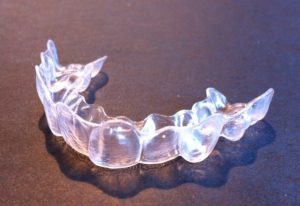
One of the most rapidly developing sectors in cosmetic surgery is dentistry, with innovations in procedures and new treatments becoming available on an almost monthly basis. With new materials being devised as compounds for replacement teeth, and the quality of veneer replacement models available on the market, cosmetic dentistry is certainly becoming as popular as plastic surgery and other invasive procedures. But to what extent is cosmetic dentistry used in practice, and what nature of procedures happen to be the most common in nature?
Replacement Cosmetic Dentistry Procedures
Cosmetic dentistry has come a long way in just a few years. Considering now the quality and realism of replacement teeth, and indeed the improving technologies for fitting and matching teeth to the rest of the mouth, replacement cosmetic procedures are becoming increasingly common as a way to help repair the damage from high impact collisions as well as just providing visual benefits. With current technologies, it is possible to reconstruct most of a set of teeth to replace teeth that have been lost for whatever reason.
Rearrangement
Perhaps a rather vulgar term, rearrangement denotes the procedures that involve straightening, moving, removing and fixing teeth that either cause problems in terms of the overall mouth or are just plain unsightly. This tends to be a somewhat more advanced process which can in some circumstances take a number of years to correct. Nevertheless the result is a more natural, improved smile and straighter teeth, with any surplus teeth removed from the gums to prevent overcrowding.
Veneering and Other Cosmetic Procedures
Veneering is the ultimate in aesthetic surgery for the mouth - simply by covering the old, decaying or stained teeth veneering can give the appearance of a better smile without having to run through the process of naturally straightening out and removing problem teeth from the mouth. Luckily veneering tends also to be much cheaper than many of its similar procedures, making it one of the most popular cosmetic dentistry procedures on the market.
Remember, crucially, that cosmetic dentistry is almost exclusively carried out privately, which can boost your dental bill significantly. Make sure your insurance covers cosmetic dentistry where you may be involved in an accident, and try to save up before going for a purely aesthetic change, given that the bill can often run into several thousands depending on your dentist.
Posted in Cosmetic Dentistry | No Comments »
February 18th, 2008
Posted by: Tom
Cosmetic surgery is often near the top of the wish list for the average modern man or woman. A nip here and a tuck there - sounds great. What’s more, with the easiness of most operations, it’s just a case of raising a few thousand and booking your self in for the surgery, right? Well, actually, that’s not the case. Plastic surgery is highly skilled and highly dangerous. As a result, you’re looking for your operation to carried out by a fully trained, well experienced professional, which will bump up the costs considerably, depending on the specific treatment you’re opting for.
Before you consider costs, you must consider what type of operation you’re looking at, and whether you are sure it is the route down which you want to go. Remember the inherently dangerous nature of all procedures before you embark, and make sure you discuss at length with a practitioner your options and the potential side effects of your treatment should the worst happen.
Here we’ve compiled a list of average cosmetic surgery costs by operation at professional hospitals by experienced surgeons. Of course you may find backstreet surgeons willing to operate for less, but this at least gives an indication of what you can expect to pay for a job well done.
Average Cosmetic Surgery Costs (by procedure):
- Breast Enlargement - $6,800 - $10,000
- Ear Correction - $2,200 - $5,600
- Facelift - $8,400 - $10,600
- Liposuction - $3,000 - $10,000
- Nosejob - $6,000 - $8,000
- Tummy Tuck - $7,600 - $10,400
Saving Money on Cosmetic Surgery Abroad
Many cosmetic surgery patients make their way to foreign shores in order to save on the cost of their operations. Quite rightly, the cost of treatments is incredibly variable, and Western currencies do carry more weight in other territories. However, you need to make sure before you hand over your money that the doctor or surgeon preparing to perform your operation is as skilled and experienced as your domestic practitioners, so you can compare like for like.
It is possible to find good hospitals in Europe or some Asian countries that may be cheaper than domestic practices, however you should exercise your full discretion in selecting which country to choose and indeed which hospital to commit to for your operation to avoid experiencing the unpleasant and potentially life altering consequences of a botched job (and of course to guarantee your money and that the services will be performed as agreed).
Posted in Costs & Buying | No Comments »
February 18th, 2008
Posted by: Tom
Liposuction is often touted as a solution for the obese, and is frequently cited as one of the most popular cosmetic treatments an individual can have. It’s seen as an innocent procedure that can be conducted on an outpatient basis, and one that can be used as a fashion accessory to improve muscle definition and remove particularly stubborn fatty deposits.
What people don’t realise is that liposuction, like any surgical procedure carries its own breed of risks and associated problems. In fact, liposuction is quite a serious trauma to subject your body to, and it isn’t as simple as just sucking fat from under your skin. As the growing number of scarred, dissatisfied patients will testify, liposuction can and does go horribly wrong from time to time, and it is important to be fully aware of the risks before taking the plunge.
Possible Side Effects
Let’s kick this off by saying that roughly one in 10,000 liposuction patients die as a result of the operation. Not such an innocent procedure after all, it would seem. Amongst some of the more common side effects and complications of liposuction are bleeding from the wound, which can pour from the hole, infection, damage to certain nervous tissues, permanent loss of sensation, puncturing the bowel or even heart failure.
The fact of the matter is, liposuction is a medical procedure that requires, more than many others, a highly skilled operative to conduct proceedings. The surgeon you opt for, if he’s worth his salts, will make sure you understand that this isn’t a fashion-only procedure, but is in fact a highly dangerous process.
Alternatives
The most obvious alternative to liposuction is the oldest and best in the book - it’s called dieting. Changing what you eat and improving your levels of exercise is the safest, most effective way to lose weight and to shift body fat, even from stubborn areas. A healthy balanced diet combined with a course of regular intensive exercise will not only help shift that excess weight and improve your appearance, but it will also leave you looking and feeling great in yourself without the need for expensive and dangerous surgery. With the help of a little common sense, the majority of liposuction cases could be avoided in favour of more stable weight loss, which can save you money and the major risks associated with any medical procedure.
Posted in Advice | No Comments »
February 18th, 2008
Posted by: Tom
Choosing a plastic surgeon is probably one of the most significant decisions you will ever make. Aside from the initial decision to have this kind of surgery in the first place, selecting the right surgeon is of critical importance in ensuring you don’t end up with unnecessary complications which can at worst ruin your life. Plastic surgery is a difficult thing to go through with for both the patient and the doctor, and one false move could leave you regretting it for the rest of your life.
That’s why, after deliberating long and hard as to why you want to go through with the surgery, you should also think carefully about which surgeon you want to go with. That means paying a visit to a number of surgeries, both in and around your local area, to find a surgeon that has both the right credentials on paper and provides you with that all-important personal reassurance.
Qualifications
Obviously the first thing you want to make sure is that any surgeon you’re considering is suitably qualified. Apart from his actual University diploma, where does he practice? Does he have a successful surgery? You can usually tell a lot about a surgeon from the presentation - if he comes across as sharply dressed and professional and runs a surgery that seems busy, clean and is well designed, chances are you’re probably along the right lines.
Experience
How many successful ops has this surgeon carried out? Ask the surgeon about his previous experience of your specific procedure and weigh up the response you get. Has he ever had a patient that has been dissatisfied, or scarred by the procedure? What kind of things could go wrong, and what factors contribute to the risks? Furthermore, how can you avoid ending up with side effects, and how easily can they be treated? An experienced surgeon will be able to answer all your questions with confidence and will provide you with satisfactory responses in an unpatronising and reassuring way.
Intuition
Probably one of the most valuable tools in your armoury is your intuition - in other words, the overall general impression you get of that particular surgeon. Good or bad, your intuition should always be the overriding factor in situations like this - a good surgeon should make you feel comfortable and at ease, and it something doesn’t quite sit right with you, it’s probably best to try someone else.
Posted in Costs & Buying | No Comments »
February 10th, 2008
Posted by: Tom
It’s a simple fact of society today - people are having cosmetic surgery for all the wrong reasons. Cosmetic surgery procedures are becoming increasingly widespread, mainly because they are growing in acceptance and becoming more and more affordable. We see film stars, pop icons and beauty queens going under the knife to achieve what we perceive to be perfection, and the natural assumption that flows from that is that we must all embark on improving the way we look to become more ‘perfect’ as a means of improving our success, happiness and social status.
The Glamour Argument
People always aspire to become more attractive and more physically like their ideal. Cosmetic surgery has the danger of implying hope without consequence - many people feel that by heading down the route of self-improvement through appearance-enhancing treatments, they too can be more respected and more like those that they worship in magazines and on TV. Whilst there is a welcome shift away from the unreal perception of models as perfect women, for most plastic surgery is not the answer to any gripes or dislike as to physical appearance.
The Self-Esteem Argument
Another common reason put forward for pursuing cosmetic surgery is on the grounds of self-esteem. Ninety-nine percent of the population isn’t entirely satisfied with the way they look. For some, that can breed a lack of confidence in social situations or in the workplace. But for even less, that becomes a major psychological barrier. Where minor changes can improve a patient’s quality of life, cosmetic surgery is a sure-fire way to go. However for other factors that are purely aesthetic, it’s important to first of all weigh up the risks of the procedure at hand.
The Truth
Cosmetic surgery isn’t just another way to make yourself feel better or to improve confidence. It’s a vital tool for rebuilding the hopes and dreams of those whose lives have been devastated by horrific accidents and injuries, or for helping those with genuine psychological disturbances arising from particular aspects of their appearance. Of course there is a market for pure vanity surgery, and there’s nothing specifically wrong with that in moderation. However the growing trend towards non-stop self improvement can’t be good for society, and is certainly not good for the image of the medical industry as a whole. We are all beautiful as individuals - cosmetic surgery serves a purpose, but don’t treat it like a fashion accessory.
Posted in Cosmetic surgery | No Comments »